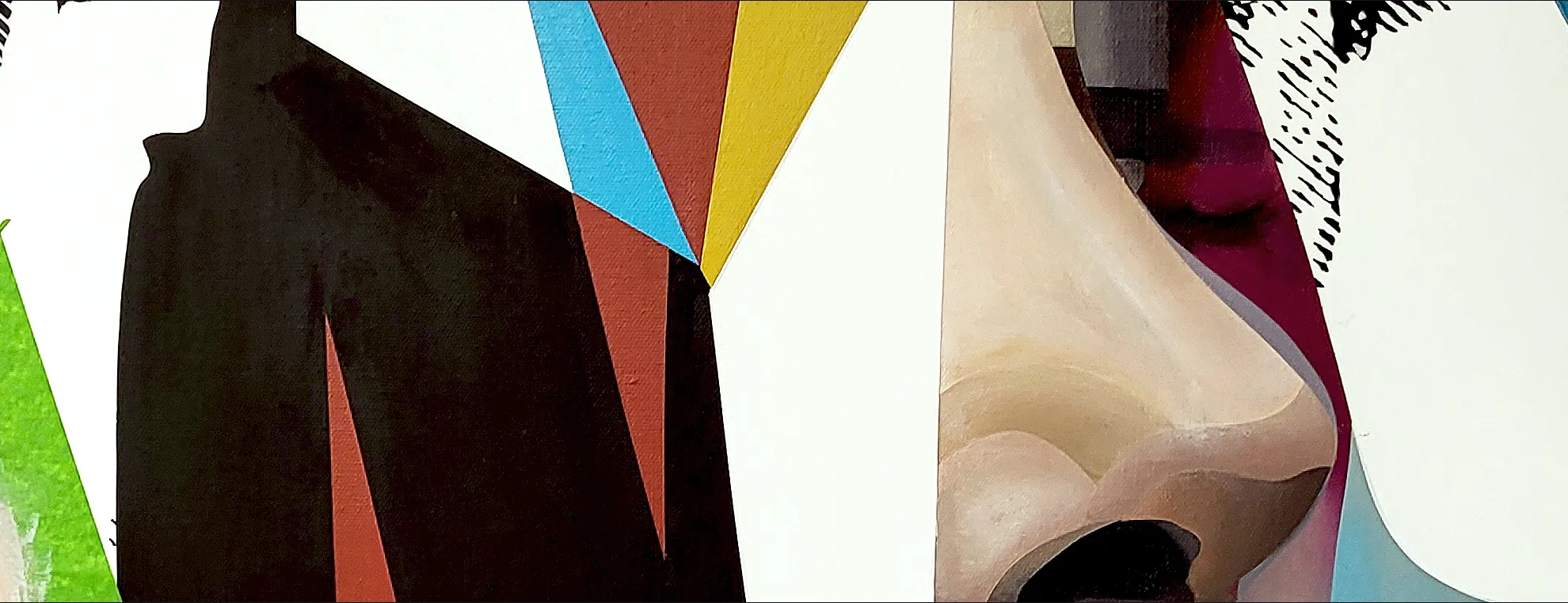
Have you ever wondered where an artist actually starts when faced with a blank canvas? Do they begin with the background, work on the main subject first, or simply pick up a brush and see where it takes them? I imagine if you asked ten different artists, you'd probably get ten different answers. Some will have a carefully considered plan before they even think about picking up a brush, while others are happy to let the painting develop as they go along.
I'm very much in the first camp. By the time I start painting, I've usually spent a considerable amount of time working out the composition, colours and various elements that will eventually make up the finished piece. I use Photoshop and Procreate to develop my ideas, moving things around, changing colours and experimenting with different arrangements until I'm happy with what I want to achieve. It doesn't mean everything is set in stone, but I generally have a pretty good idea of what the painting is going to look like before I start.
Of course, knowing what you're going to paint and deciding how you're going to paint it are two different things.
Where Do You Start a Painting?
When I first started painting, I had a habit of tackling the larger, easier sections first. If there was a big area of colour that needed painting, I'd quite happily get on with it. After a few hours, I could stand back, look at how much of the canvas I'd covered and feel as though I'd made some serious progress.
The problem was that I knew exactly what I was doing. I was avoiding the difficult bits.
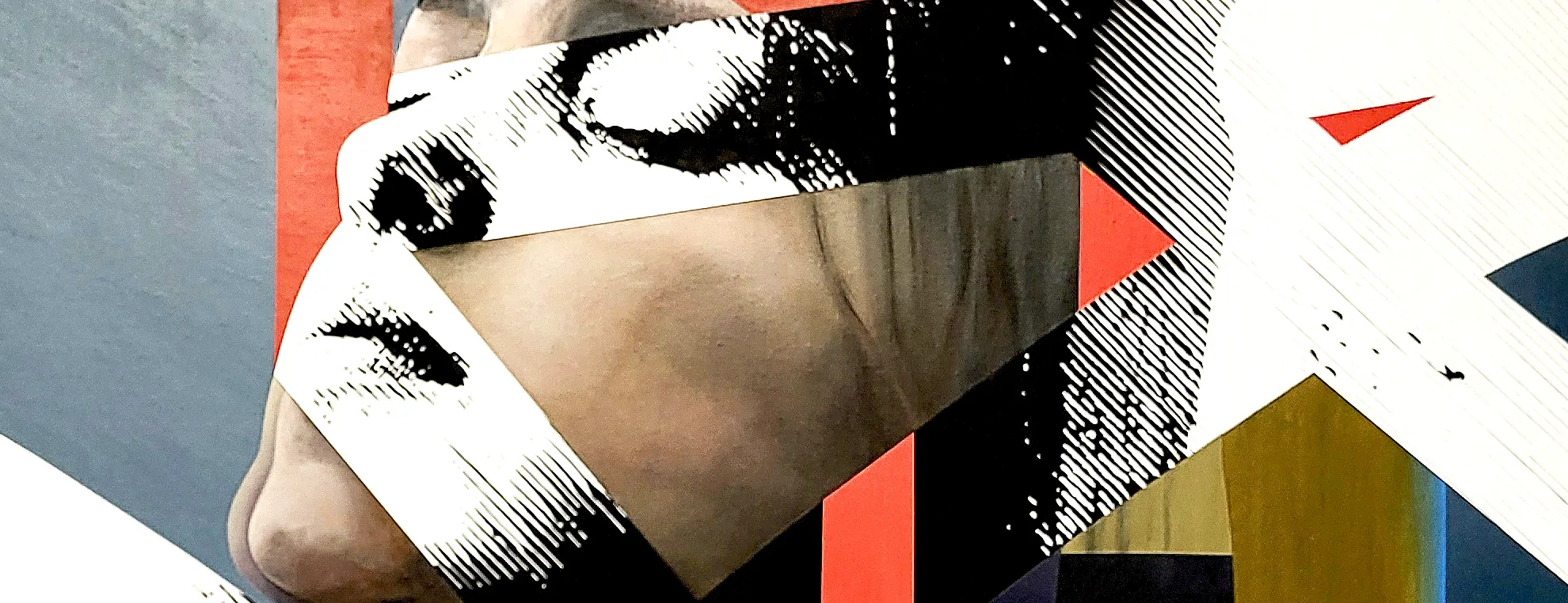
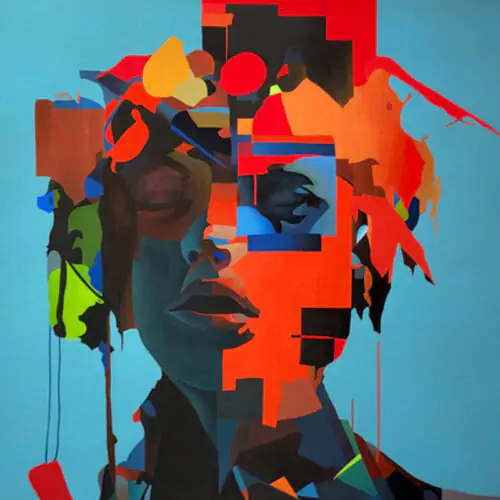
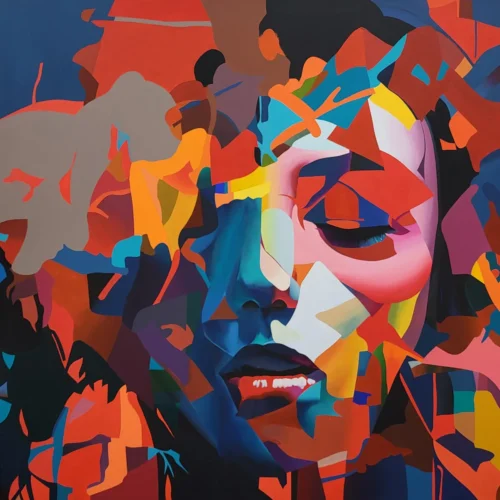
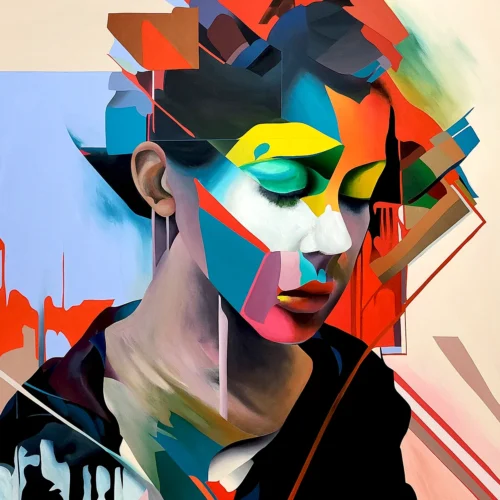
Because my work centres around faces, getting the facial features right is particularly important. An eye that's slightly out of position or a nose that's pointing in the wrong direction can completely change the expression. You might not immediately be able to identify what's wrong, but something just doesn't look right. And no amount of beautifully painted background is going to compensate for a face that isn't working.
These days, I tend to approach things differently. Rather than leaving the face until later, I generally tackle the trickier areas first. Once I'm happy that the eyes, nose and other important features are working, I feel much more confident about the rest of the painting. It's not that everything else is necessarily easy, but I've dealt with the part that concerns me most.
I still understand the appeal of getting those big areas of colour finished. There's something satisfying about seeing a substantial part of a canvas covered, particularly when you've only just started. But I've come to realise that the amount of paint on a canvas isn't necessarily a reflection of how much progress you've made.
Do All Artists Work in the Same Way?
There are plenty of reasons why another artist might approach things completely differently. Someone painting a landscape might prefer to establish the sky and general atmosphere before working on the finer details. A portrait artist might begin by blocking in the overall proportions of the head rather than concentrating on individual features. Others might work across the entire canvas, gradually developing everything together instead of finishing one area at a time.
Then there are artists whose work is far less planned than mine. They might begin with a colour, a shape or a particular mark and allow one decision to influence the next. Rather than working towards a predetermined image, the painting develops through the process of making it. What starts as one thing could end up becoming something entirely different.
I find that approach fascinating, partly because it's so different from the way I work. I enjoy the planning stage and like knowing where I'm heading, although I can certainly appreciate the freedom of starting without knowing exactly where a painting will end up.
Neither approach guarantees a better result. A carefully planned painting can still go wrong, just as a spontaneous one can develop into something wonderful. Much of it comes down to the individual artist, the type of work they're creating and what they feel comfortable doing.
Does a Painting Always Go According to Plan?
Even though I plan my paintings in advance, things don't always translate quite as expected when I start working on the actual canvas.
Most of my larger paintings are a metre square, and something that looks perfectly balanced on a computer screen or a small printout can feel surprisingly different at that size. A particular shape might seem too dominant, a colour might need adjusting or an area that looked interesting in the original design might not work quite as well once it's painted.
I don't usually make dramatic changes to the composition because I've already spent time resolving most of those decisions. But I'm certainly not going to stick rigidly to a design if I can see that something needs changing.
There's also a difference between creating an image digitally and physically applying paint to a canvas. On a screen, moving a shape or changing a colour takes seconds. On a painting, the same decision might involve several hours of work, particularly when you're dealing with layers of acrylic and carefully masked sections.
I think having a plan gives me confidence, but being prepared to deviate from it is equally important. After all, there's little point in recognising that something isn't working and continuing with it simply because that's what you originally intended.
Does Experience Change How Artists Paint?
I suspect most artists develop their own way of working over time, even if they don't consciously set out to do so. You try different things, discover what works for you and gradually develop habits that make the process more comfortable or manageable.
I watched an interview with artist Tim Fowler recently in which he was asked how he'd developed his style. His answer was essentially that you just have to keep painting and, over time, your style will begin to emerge. I think there's a lot of truth in that, and I suspect the same applies to how we approach the actual process of painting. The more you paint, the more you learn about what works for you, what doesn't and what you might want to do differently next time.
My decision to tackle the face earlier is a good example. Nobody told me that was the correct way to paint, and I wouldn't suggest another artist should do the same. It's simply something I've learned about myself and how I prefer to work.
For someone else, starting with the easier sections might be exactly what they need. Perhaps it helps them settle into the painting, build confidence or get a feel for the colours before approaching the more complicated areas. What I once regarded as a way of avoiding the difficult bits could be a perfectly sensible approach for somebody else.
And I imagine the way an artist works can continue changing throughout their career. Different materials, techniques and subjects all bring their own challenges. An approach that worked brilliantly for one painting might not be particularly suitable for the next.
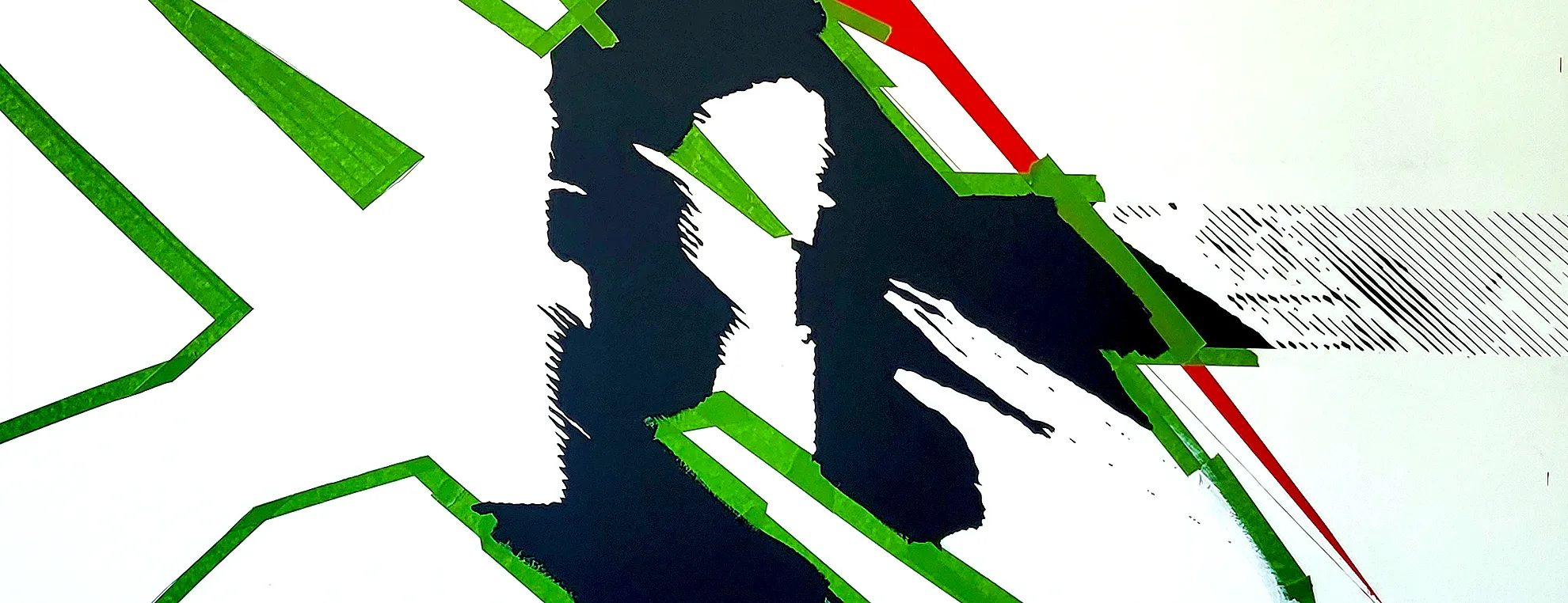
Even within my own work, I don't follow precisely the same sequence every time. There are practical considerations, particularly when using masking tape and building up layers of acrylic, that sometimes dictate which sections need to be painted before others. Having a preferred approach doesn't mean there aren't occasions when you need to do things differently.
Is There a Right Way to Approach a Painting?
I don't believe there is. There are certainly techniques worth learning and practical reasons for doing certain things in a particular order, but I think it's a mistake to assume that every artist should follow the same process.
One artist might spend weeks planning a painting before touching the canvas. Another might make their most interesting discoveries while painting, without any idea of what the finished piece will look like. Some work methodically from one section to the next, while others constantly move around the canvas, adjusting and developing different areas as they go.
What I find interesting is that we generally only see the finished result. We don't necessarily know which part the artist painted first, what they struggled with, how many times they changed their mind or whether the final painting looks anything like the idea they originally had.
Two paintings might look equally considered and deliberate, despite having been created in completely different ways.
For me, tackling the face first has made the painting process feel more manageable. I no longer have that slightly uncomfortable feeling that I'm making lots of progress while quietly avoiding the part I'm most worried about. Once the face is working, I can concentrate on bringing everything else together, knowing that the element I consider most important is already in place.
That doesn't make it the right way to paint. It's simply the way that works for me, and I wouldn't be surprised if that changes again as my work continues to develop.
Perhaps that's one of the more interesting things about painting. Even when you think you've established a way of working, it's important to remain open to the possibility of discovering another.
Related Articles
Why I Still Use Masking Tape in My Paintings
How masking tape and layered acrylic have become central to the way I create my paintings.
Finishing Artwork on Your Terms: Why Rushing the Process Undermines Your Growth
Why knowing when to slow down and trusting your judgement matters when finishing a painting.
Acrylic Paint vs Oil Paint: Why I Choose Speed, Versatility, and Innovation
Why I work with acrylic paint and how its drying time and versatility suit my painting process.
Can a Solo Art Exhibition Influence Your Work?
How preparing for a solo exhibition can influence an artist’s methods and creative decisions.
Priority Studio Access
I share new paintings, limited edition prints, exhibition news, articles and upcoming projects with subscribers first.
Get updates direct from my studio →
I’m a UK contemporary abstract portrait artist exploring inner noise, quiet pressure and the emotional complexity of modern life through fragmented portraiture and bold colour. I create original paintings and limited edition prints, while also writing about art, exhibitions and the realities of being an artist today. I also share work in progress and life in the studio on Instagram @paulkneenart.



 No spam. Unsubscribe anytime.
