Why Selling Your Art Online Feels Uncomfortable (And Why It Matters)
The Myth That Art Sells Itself
There’s a quiet myth in the art world that if the work is strong enough, it will somehow sell itself.
That collectors will discover it. That the right people will appear. That quality alone is enough.
It’s an appealing idea, particularly if you prefer being in the studio rather than talking about what you’ve made. But the longer I’ve worked as a full-time artist, the more I’ve realised that this belief can quietly limit growth.
Selling your art online isn’t separate from the practice. It’s part of it.
And yet, for many artists it can feel deeply uncomfortable.
Why Selling Feels Different to Creating
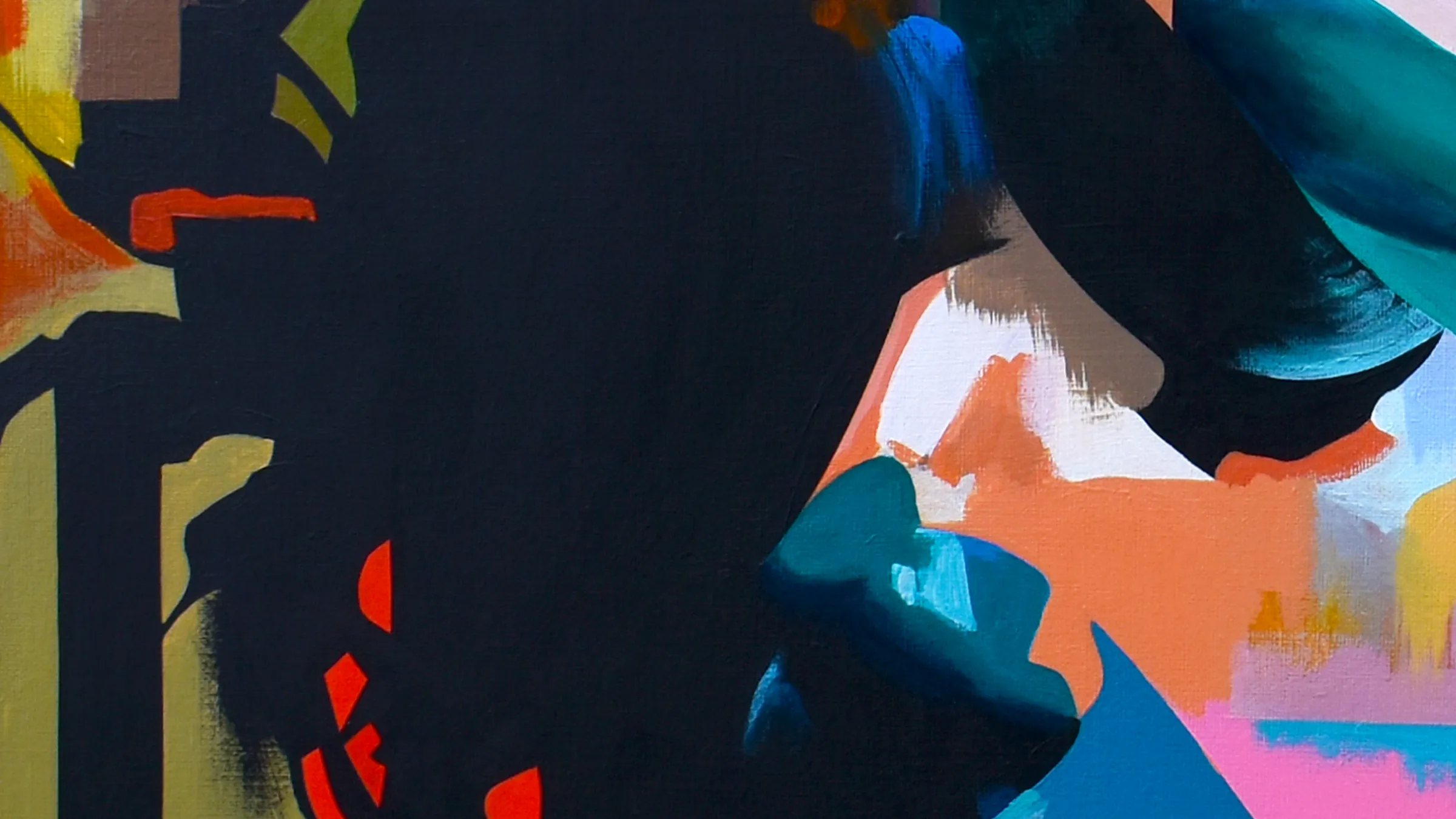
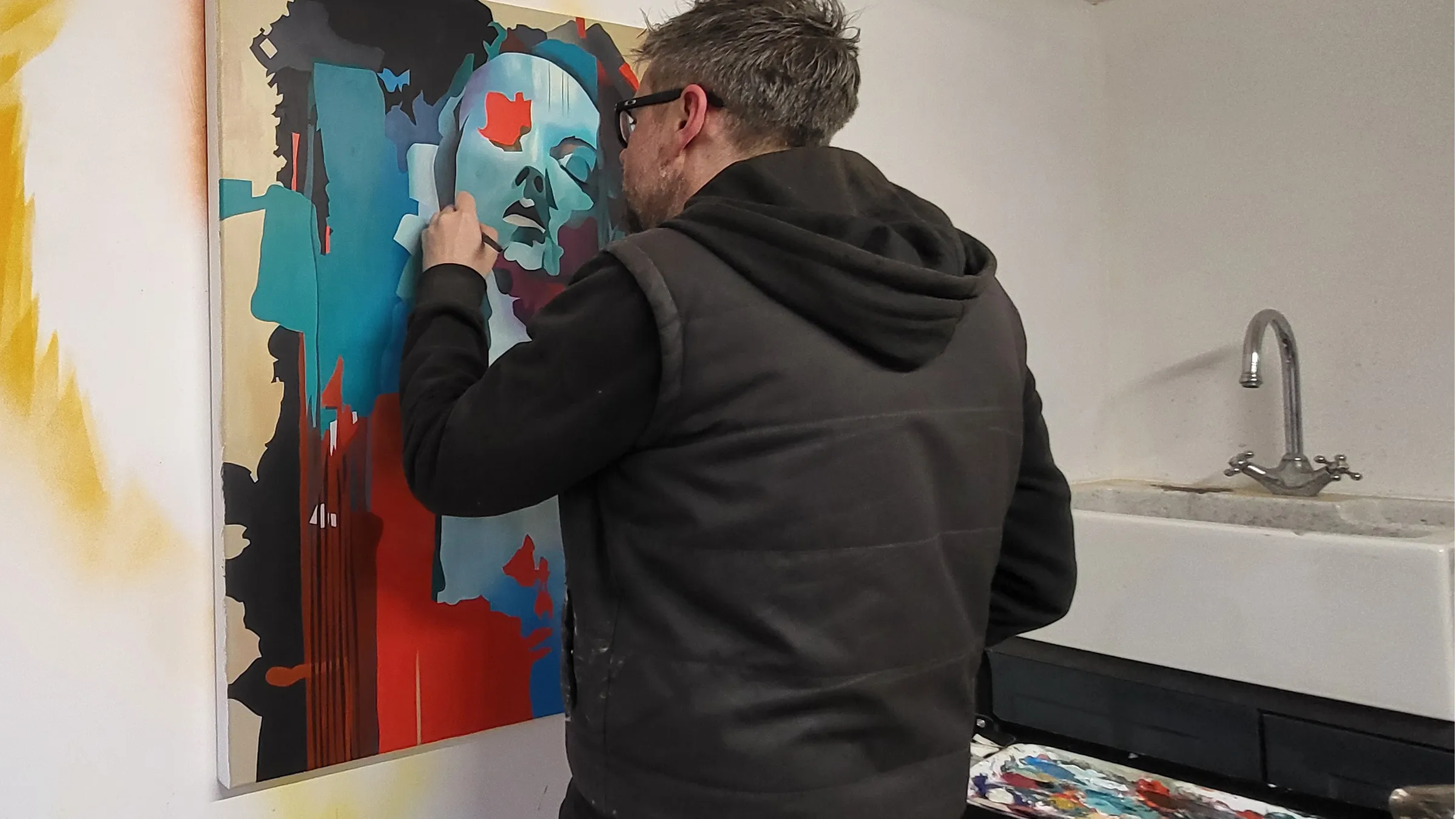
Creating feels internal. It’s exploratory. It’s instinctive. In my own practice, building structure through masking and layering acrylic feels deliberate and controlled. The studio is where clarity exists.
Selling your art online is different.
It requires visibility. It requires putting a price next to something personal. It requires stating clearly that the work is available.
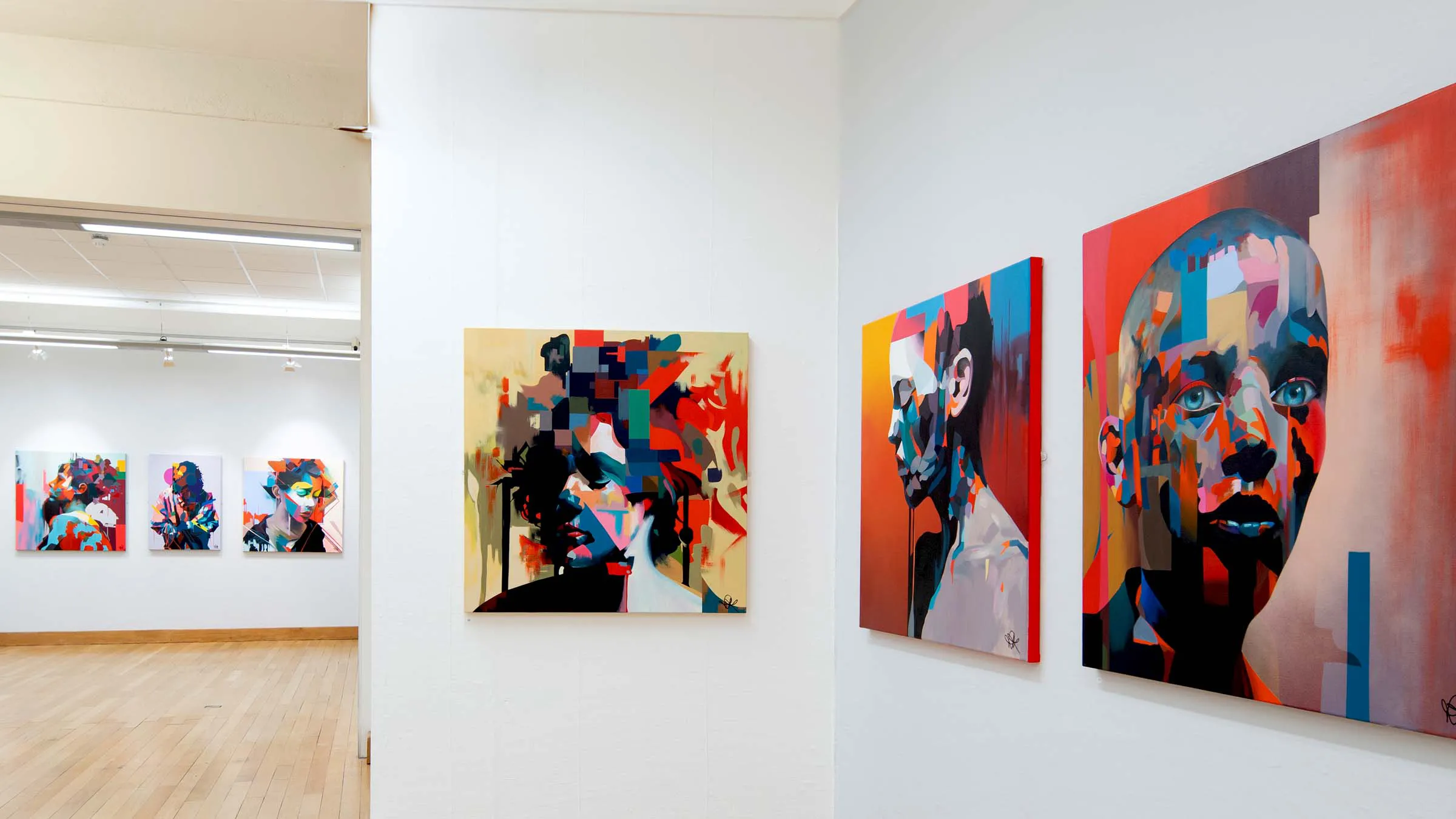
When a gallery handles that conversation, there’s distance. They frame the value. They manage the transaction. They create the commercial space around the work.
When you’re selling your art online yourself, there’s no buffer.
You’re the one making the statement.
That shift can feel exposing, even when you believe in the work.
The Comfortable Middle Ground
I used to operate in what I’d call a comfortable middle ground.
I would share finished pieces. I would talk about process and intention. I would reflect on the thinking behind the work. But I wouldn’t always clearly state that it was available for sale.
There’s a subtle safety in that approach. You receive engagement. You receive encouragement. You receive comments that validate the work.
What you don’t necessarily receive are sales.
It’s easy to mistake attention for momentum. A post can perform well on social media and still generate zero income. If you’re serious about building a sustainable career, that distinction matters.
Selling your art online requires clarity. Without it, you remove the possibility before it even exists.
Silence Doesn’t Mean Rejection
Recently, I decided to challenge my own avoidance in a practical way.
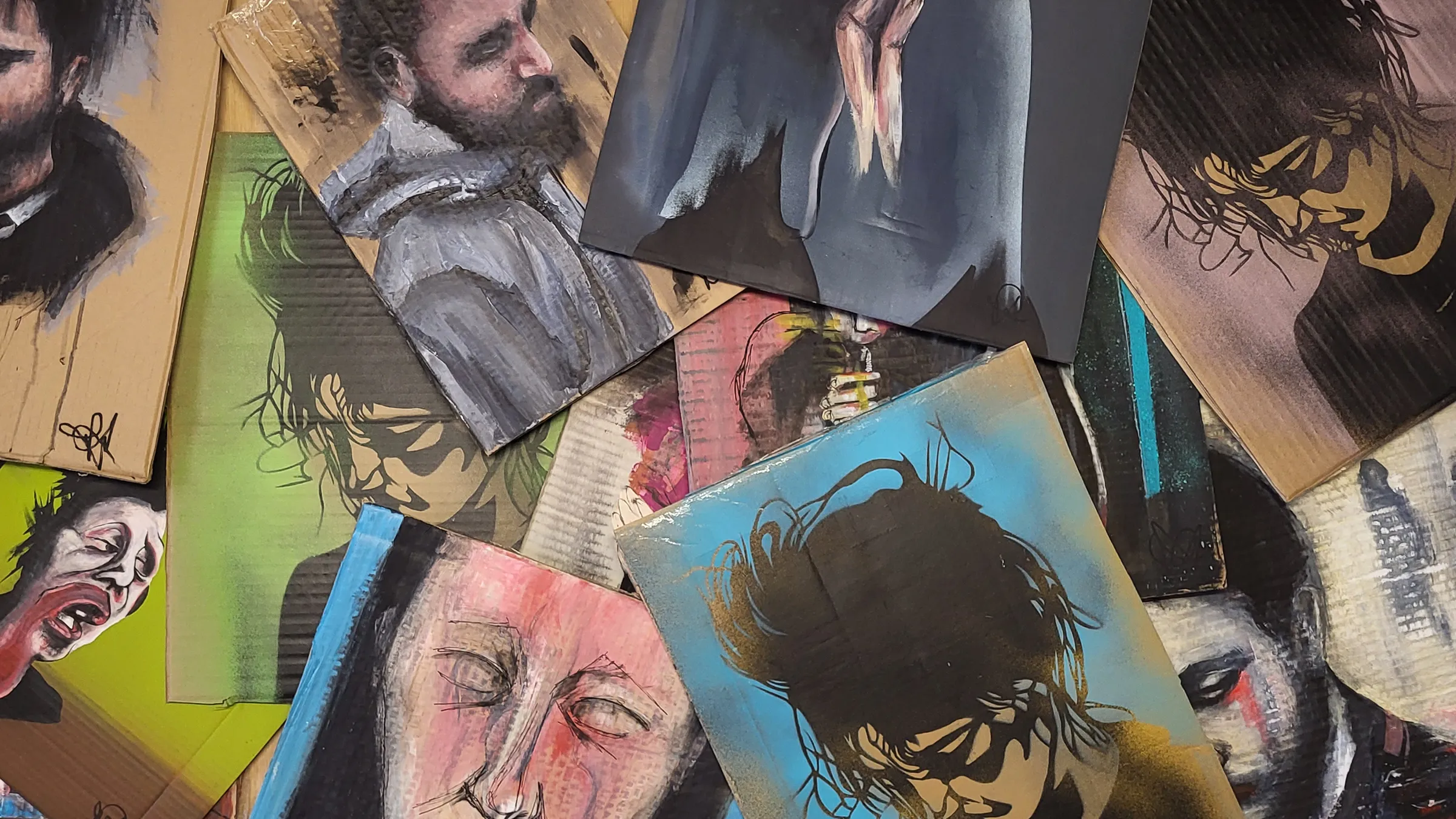
At the beginning of a previous development period, I had created a series of smaller works on reclaimed cardboard. They were raw, exploratory pieces — never intended to be centrepieces, but important stepping stones in my process. For a long time, they sat in the studio.
I had shared images of them before. I had spoken about their role in my development. But I hadn’t clearly stated that they were available.
So I did.
No vague language. No assumption that people would infer they were for sale. Just clarity: these works are available.
Initially, very little happened.
A few likes. A few acknowledgements. Nothing dramatic.
In the past, I might have interpreted that silence as rejection. Social media can make quiet moments feel amplified. If something doesn’t move immediately, it’s tempting to assume the work hasn’t connected.
But silence rarely means what we think it means.
Instead of retreating, I reshared the pieces. I clarified what was still available. I stayed present rather than withdrawing.
That’s when the shift happened.
Not because I became more aggressive. Not because I discounted the work. Not because the paintings changed.
The difference was consistency and clarity.
Selling your art online is rarely about a single post. It’s about repetition.
Confidence Grows Through Repetition
As artists, we understand repetition instinctively in the studio. Confidence in painting doesn’t arrive fully formed. It’s built through making work, finishing work, reflecting, and refining.
Selling your art online works in exactly the same way.
The first time you attach a price to something personal, it can feel uncomfortable — much like committing to a bold mark on a canvas. But just as confidence in your painting grows through repetition, confidence in offering your work grows the same way.
You don’t become comfortable in the studio by thinking about painting. You become comfortable by painting consistently.
And you don’t become comfortable selling your art online by avoiding it. You become comfortable by offering your work clearly and repeatedly.
The first time feels exposed. The tenth time feels measured. Eventually, it becomes routine.
Routine removes drama.
When the drama reduces, you can focus on what actually matters: producing strong work and giving it the opportunity to find the right home.
Visibility Is Not Arrogance
One of the deeper discomforts around selling is the fear of appearing self-promotional. Many artists worry about talking too much about availability or price.
But there’s a difference between noise and clarity.
Clarity simply means stating what exists.
This piece is finished. It is available. This is the price.
That isn’t arrogance. It’s professionalism.
If you want to make a living from your work, you have a responsibility to give it a chance in the market. Selling your art online is not about shouting louder than everyone else. It’s about ensuring your work isn’t hidden behind modesty or hesitation.
There’s nothing noble about invisibility.
Building Sustainability, Not Hype
Another lesson I’ve learned is that selling your art online shouldn’t feel like chasing spikes of momentum. The goal isn’t dramatic bursts of sales. It’s consistency.
Some works sell quickly. Others take time. A painting that doesn’t sell this month may sell in six months to someone who has just discovered your work.
To a new collector, it isn’t “old stock.” It’s a fresh discovery.
Art doesn’t expire in the way we sometimes imagine. What matters is that it remains visible and available.
When you consistently create and consistently offer your work, you build trust. Trust builds sales.
Giving Your Work a Chance
If there’s one thing I’ve taken from this experience, it’s this:
If you don’t make your work available, you guarantee zero sales.
You can’t control who buys. You can’t control timing. You can’t control algorithms. But you can control whether you are selling your art online with clarity and consistency.
Selling doesn’t have to feel aggressive. It doesn’t have to feel uncomfortable forever. It can simply become part of the rhythm of your practice.
Create. Finish. Offer. Repeat.
The discomfort doesn’t disappear overnight. But it softens when you realise that visibility is not ego — it’s opportunity.
And if you’re serious about building a sustainable career, opportunity is something you can’t afford to hide from.
That’s why I guess I relate to art because I see what others don’t & I strive to do that with plants which is my comfort. What you artists do is so underrated but also at times so completely overrated BECAUSE forgetting what got you there to a certain is something that very few ARTISTS or GALLERIES say the truth about!! What was selling yesterday doesn’t sell today!






That’s why I guess I relate to art because I see what others don’t & I strive to do that with plants which is my comfort. What you artists do is so underrated but also at times so completely overrated BECAUSE forgetting what got you there to a certain is something that very few ARTISTS or GALLERIES say the truth about!! What was selling yesterday doesn’t sell today!