Being an Artist Is Hard Work: The Reality Behind the Stereotype
I was recently meeting my web designer to talk through changes to my website. He also happens to be part-owner of a fine wine shop, so we decided to meet there, enjoy a glass of wine and some cheese, and talk work.
At one point, a friend of his walked in. I was introduced as an artist, and it was mentioned that we were enjoying some wine while discussing my site.
His response was, “Well, that’s what artists do.”
It was said half-jokingly. I laughed it off at the time, but if I’m honest, the comment stayed with me. It irritated me more than I expected, because it taps into a stereotype that still refuses to disappear — the idea that artists don’t really work.
The lazy artist myth
There’s a persistent belief that artists spend their days drifting between coffee shops, galleries and long lunches. That creativity simply happens. That art appears without effort, structure or pressure.
I understand where the stereotype comes from. Art looks expressive and emotional. From the outside, it doesn’t resemble “work” in the way spreadsheets, meetings or deadlines do.
But that assumption couldn’t be further from the truth.
In reality, artists — at least those who take their work seriously — are often some of the hardest working people you’ll meet.
What people don’t see artists doing
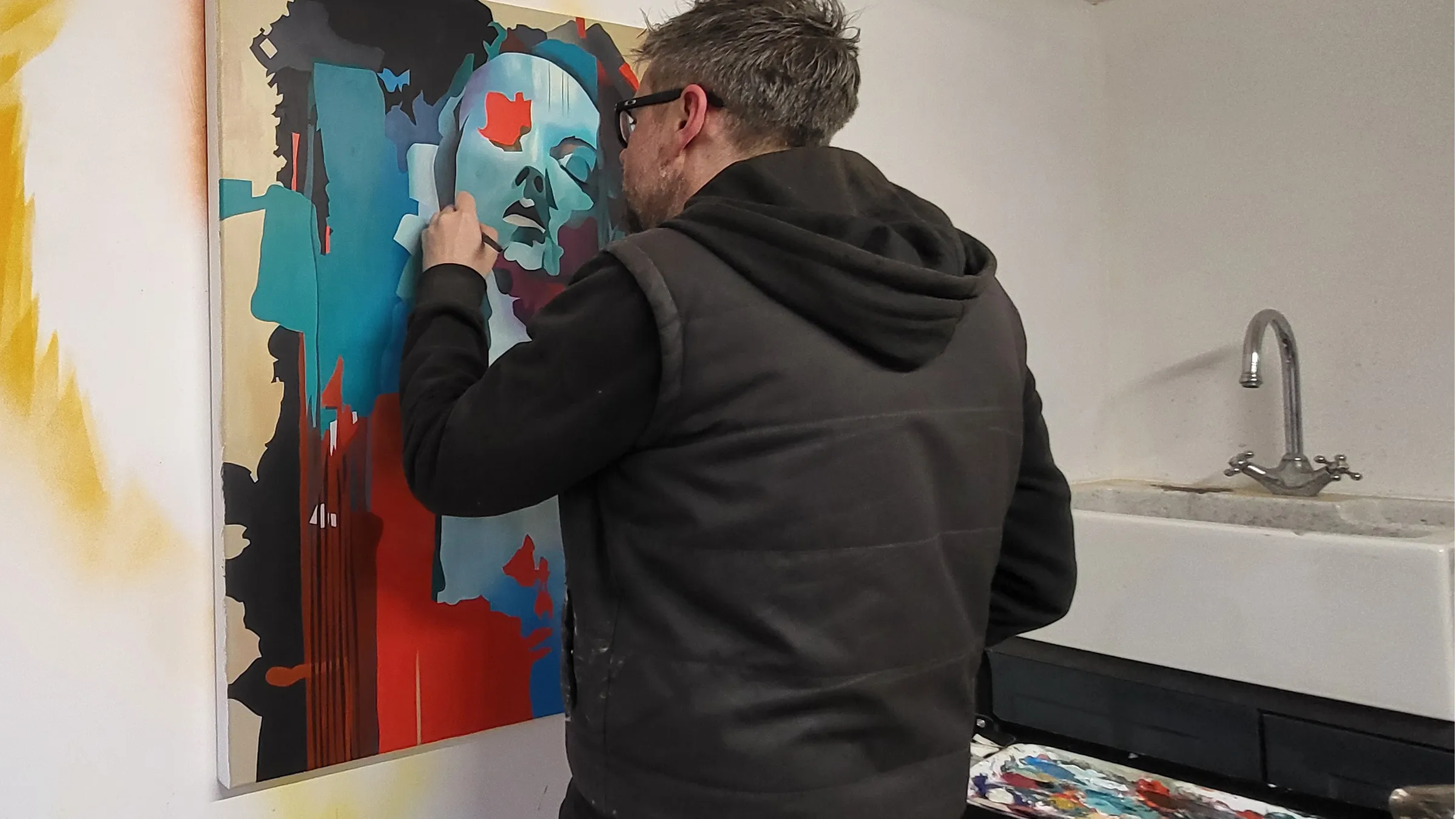
Painting is only a fraction of what my working day involves. It’s the visible part, the bit people recognise as “the work”.
Behind that, though, sits an entire infrastructure that most people never see.
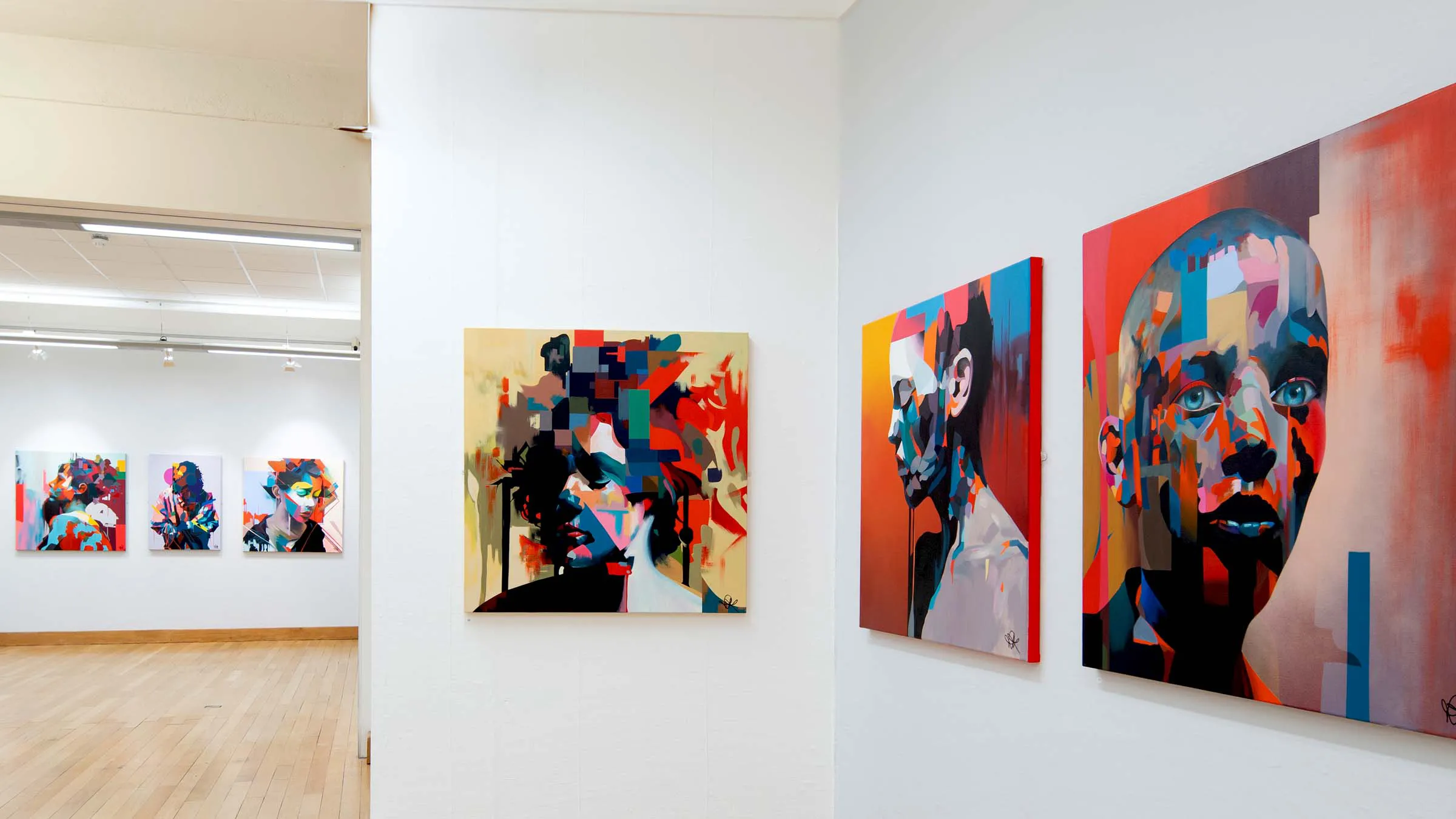
An artist today also has to be a photographer, videographer, marketer, content creator, salesperson, administrator, strategist and, at times, delivery driver. Every finished piece of work has to be photographed, edited, uploaded, priced, described, promoted, packaged, shipped and followed up.
There’s no department to hand things over to and no team waiting in the wings. If it doesn’t get done, it simply doesn’t happen.
Treating art as a full-time job
A successful artist friend of mine once said something that has always stuck with me:
“If you want to make this work, you have to treat it like a full-time job — at least 9 to 5.”
He is right.
There’s a romantic idea that creativity only works when it’s free and unstructured, but consistency rarely comes from waiting for inspiration. It comes from showing up, day after day, whether you feel inspired or not.
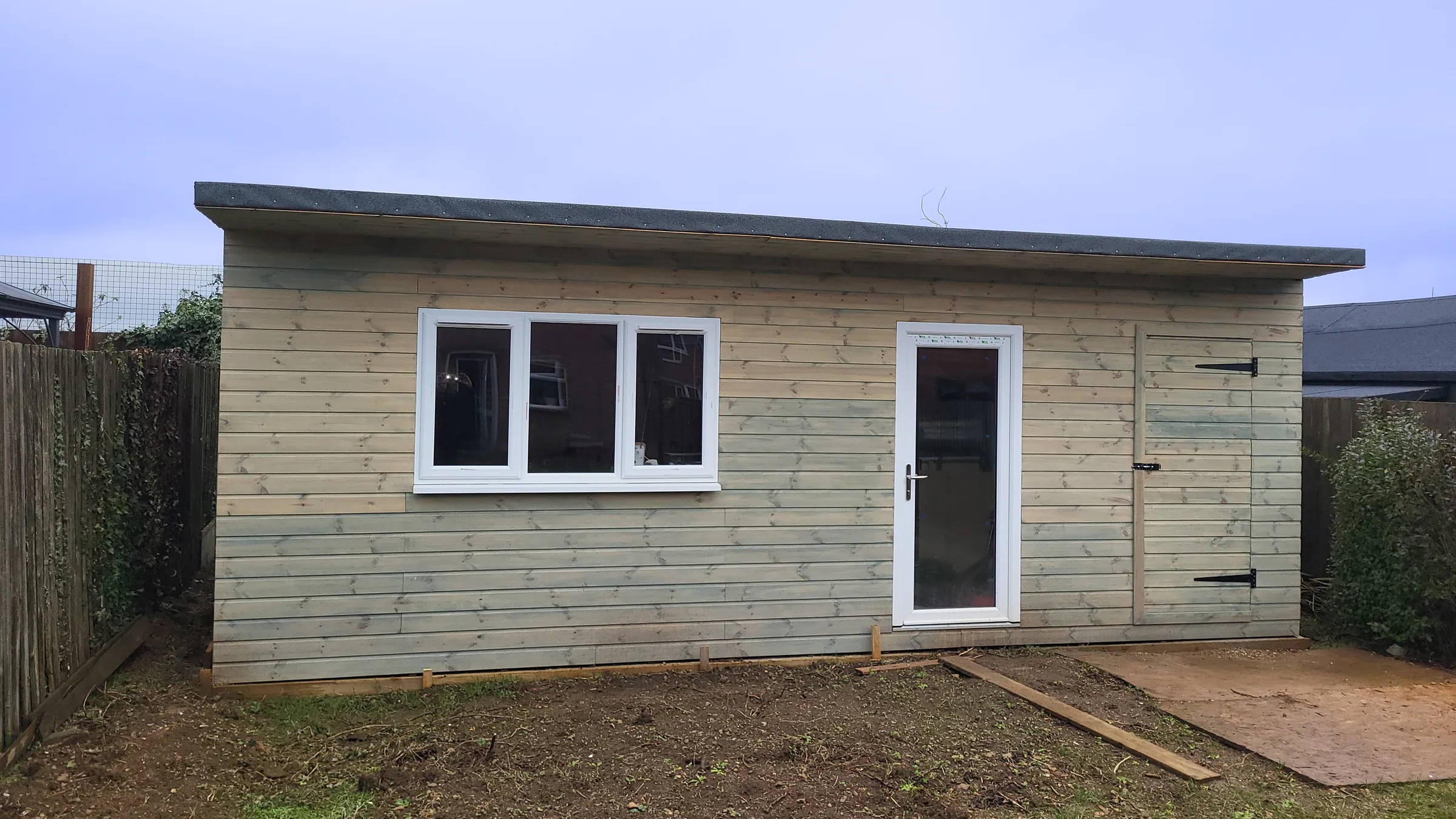
For me, that also meant creating a proper working environment — something I wrote about when I explained why I built a garden art studio to support daily, focused practice
I paint during the day as if it’s my job — because it is my job.
But that’s only part of the picture.
The work doesn’t stop at 5pm
When people with traditional 9 to 5 jobs finish for the day, their work brain often switches off. Evenings are for relaxing, unwinding and mentally checking out.
For me, that’s usually when the second shift begins.
Evenings are spent posting and responding on social media, sending invoices, updating my website, planning content, writing lists, sketching ideas for future paintings and thinking about what needs to happen next. There’s rarely a clean break between work and rest.
The work may change shape, but it doesn’t stop.
The invisible weight of creative work
One of the hardest parts of being an artist isn’t physical effort — it’s cognitive effort.
There’s always something unfinished, always something that could be improved, and always a decision waiting to be made. What should I paint next? How should I present it? Is this the right direction? Is this working? What needs my attention tomorrow?
That internal dialogue doesn’t clock off at the end of the day. It sits quietly in the background, even during moments that are meant to be downtime.
Corporate life vs creative life
Before becoming a full-time artist, I spent years working in marketing, climbing the corporate ladder and earning decent money. For the most part, the structure was clear: start at 9, finish at 5, go home, switch off.
Once the laptop closed, the responsibility stayed at work.
As an artist, there is no such boundary. Your work is personal, your progress feels personal, and success or failure rests almost entirely on your own momentum.
This disconnect between how artistic labour is perceived and how it actually functions has been explored in depth, including in Why Are Artists Poor?, which examines the hidden economics and expectations placed on creative work.
Why artists often work harder than people realise
In today’s digital world, artists don’t just compete locally — they compete globally. Visibility requires effort, consistency requires discipline, and momentum requires sustained work over long periods of time.
Even organisations like Arts Council England emphasise professional practice, sustainability and long-term commitment when discussing what it actually takes to maintain a creative career.
There’s no guaranteed income, no steady pay cheque and no safety net. And yet artists continue to show up, not because it’s easy, but because the work matters to them.
Rethinking what work actually looks like
The idea that artists “don’t work” usually comes from measuring work only by what’s familiar. But work doesn’t always look like meetings and emails.
Sometimes it looks like thinking, planning, experimenting, failing quietly and starting again. Creativity may appear relaxed from the outside, but sustaining it over time takes structure, discipline and resilience.
So yes, I may occasionally drink wine while talking about my work. But I’ll also be back in the studio the next morning, and the morning after that, and the evening too.
Because being an artist isn’t about doing nothing.